
Attributed reporting
Utrecht's new coalition presents its first budget, with more money for the power grid, insulation and housing
The city plans to spend just over €2.4 billion in 2027, with new money for grid capacity, home insulation, street safety and affordable housing, paid for partly through a higher property tax, ahead of a council vote on 12 November.
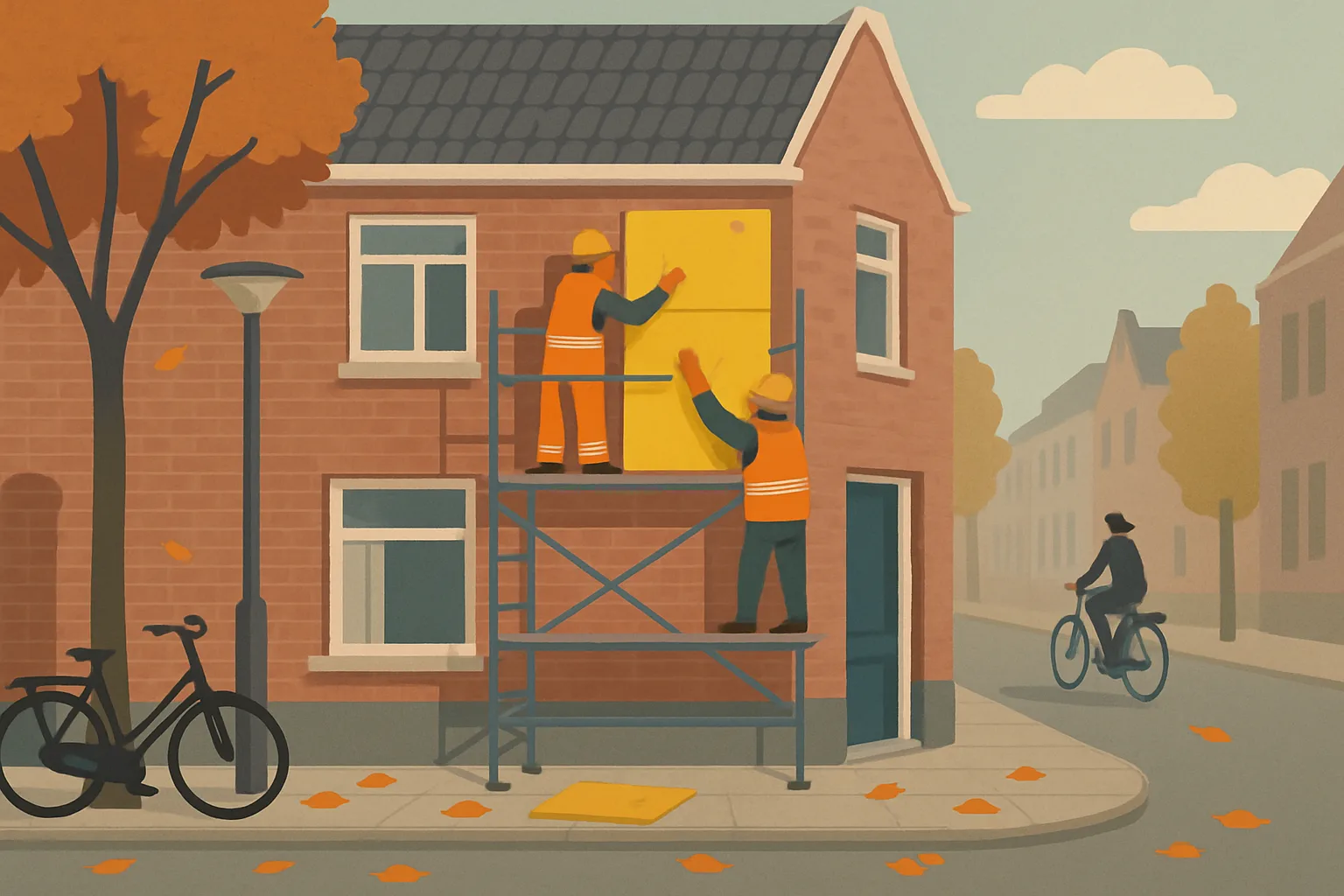
Utrecht's new governing coalition presented its first budget on 24 September, proposing to spend just over €2.4 billion in 2027 on housing, sustainability, safety and public services, according to the gemeente. The proposal now goes to the city council, which debates it in October and holds a final vote on 12 November.
In the announcement, alderman for finance Susanne Schilderman said the new college was choosing to invest in affordable housing, sustainability and equal opportunity.
Where the new money goes
One major commitment targets Utrecht's overloaded electricity grid. The budget sets aside €3.6 million next year for grid-related measures, rising to more than €6.5 million a year by the fourth year of the coalition period, the gemeente said.
A second stream, "Utrecht isoleert," gets €2 million a year from 2027 onward to help residents and businesses take energy-saving measures, with priority for those that need the most support or offer the greatest potential energy savings, according to the city.
The gemeente says construction should begin on 3,000 to 5,000 homes in 2027, including projects in the Merwedekanaalzone, Cartesiusdriehoek and Leidsche Rijn. Separately, the city says it will aim for 80 percent affordable housing in new projects, split between 40 percent social housing and 40 percent mid-range rental or for-sale homes, with the policy to be developed further in 2027.
Street safety gets €3.5 million a year from 2027, funding measures that include an outreach team, dedicated funding for women's safety, and youth-focused intervention work involving special constables, the city's budget documents show.
The budget also puts €1 million toward the circular economy, including a planned second Utrecht Upcyclecentrum in Lunetten, the gemeente said.
A smaller, previously announced change also carries a price tag in this budget: from January 2027, voorschool, the city's early-years preschool programme, opens to toddlers from age two instead of two and a half, and becomes free for every family in Kanaleneiland, at a combined cost of €2 million a year.
How the city plans to pay
To help fund the new spending, property tax (OZB) and tourist tax are both rising in line with the coalition agreement; for a home valued at €400,000, the property-tax increase works out to roughly €53 a year, the gemeente said. The dog tax, by contrast, is being scrapped.
The city also plans to cut policy staff and overhead by an amount that grows to €11.6 million a year. It includes a €10 million "realistic budgeting" adjustment in 2027 to account for recurring underspending, with that adjustment set to decline over time. Separately, the city plans to add €10 million a year to its general coverage reserve.
The budget describes the city's financial position as healthy but requiring alertness. Its structural operating room is projected to fall from 1.4 percent in 2027 to 0.2 percent in 2030, while solvency is projected to decline from 24.9 percent to 22.4 percent. That remains above the city's 20 percent signal level and its 15 percent minimum.
The council's October debate will weigh the new investments against that narrowing structural room before the final vote on 12 November.
Sources
- Utrecht unveils €2.4 billion budget focused on housing and liveability
Published by Gemeente Utrecht
- Begroting 2027 - Hoofdlijn
Published by Gemeente Utrecht
- Begroting 2027 - Veilige stad, programma-overzicht
Published by Gemeente Utrecht