
Service information
West Nile virus detected in Utrecht province: what residents need to know
A blood donor living in Utrecht province has tested positive after a likely local mosquito-borne infection. The risk to residents remains very small, and authorities have not identified Utrecht city as the place of infection.
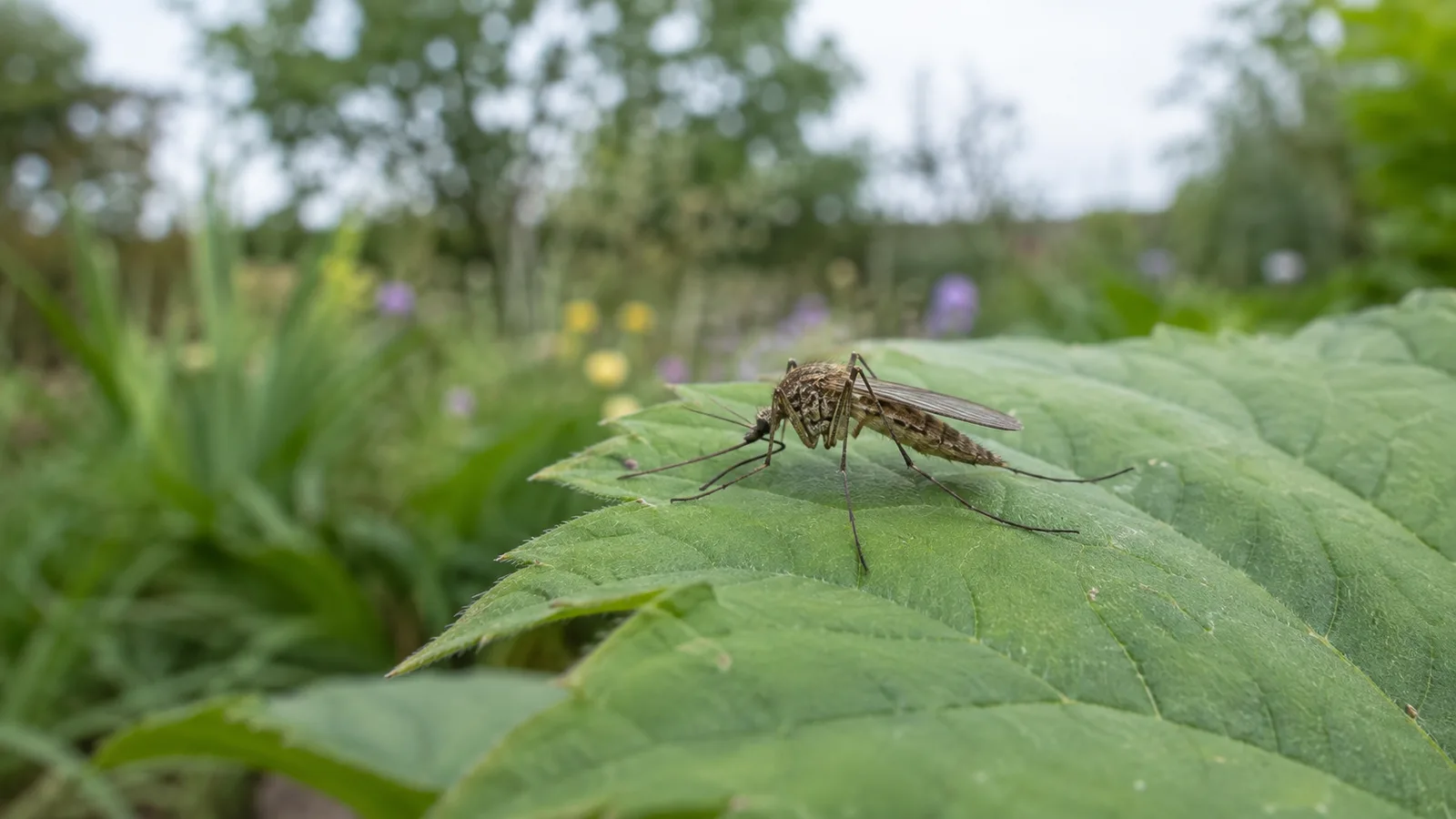
Dutch public-health authorities have confirmed a locally acquired human case of West Nile virus in a blood donor who lives in Utrecht province.
The donor had mild symptoms and had not recently travelled abroad. According to the RIVM, that makes a bite from an infected mosquito in the Netherlands the likely source.
The announcement does not say where in Utrecht province the person was infected. It does not establish that the infection occurred in Utrecht city.
What was found
The infection was identified in a blood donor and confirmed by the RIVM on 17 August. A positive result in someone without recent foreign travel is evidence that the virus is circulating locally between birds and mosquitoes somewhere in or around the area concerned.
One case does not show how widely the virus is circulating, and the publicly available information gives no municipality, neighbourhood or likely site of infection. Utrecht province is much larger than the city of Utrecht.
The RIVM says the chance of becoming ill through a mosquito bite in the Netherlands remains very small. The finding is a reason for targeted public-health precautions, not evidence that residents face a broad or immediate threat.
How West Nile virus spreads
West Nile virus circulates mainly between birds and mosquitoes. In the Netherlands, the common house mosquito — the country's most widespread mosquito — can pick up the virus from an infected bird and later pass it to another bird or, occasionally, to a person or other mammal.
People do not normally pass the virus to one another, and an infected person cannot start a new chain of mosquito transmission. The important exceptions are medical routes such as blood transfusion or organ transplantation. That is why the discovery matters particularly to the blood service.
What symptoms can it cause?
Around 80% of infected people develop no symptoms. About 19% experience a mild, flu-like illness, which can include fever, headache, muscle aches, abdominal symptoms, diarrhoea, a rash or swollen lymph nodes.
About 1% of infections become serious and can cause inflammation of the brain or the membranes around it. People over 50 and those with a weakened immune system have a greater chance of severe illness.
There is no human vaccine against West Nile virus and no medicine that specifically cures the infection. Treatment is aimed at relieving symptoms; serious illness requires hospital care.
Why Sanquin is screening more blood
Sanquin has designated Utrecht province and Gooi & Vechtstreek as West Nile risk areas and introduced additional screening of donated blood connected to those areas.
This is a blood-safety measure. Because most infected people feel well, someone could donate without knowing that the virus is temporarily present in their blood. Screening is intended to prevent it reaching a patient through a transfusion, particularly because some recipients are medically vulnerable.
The measure does not mean blood donation itself puts donors at risk. Donors should follow Sanquin's current instructions when booking or attending an appointment.
Has this happened before?
Yes. The first locally acquired human West Nile infections in the Netherlands were identified in 2020. Seven were linked to the Utrecht region and one to the Arnhem region. Infected birds and mosquitoes were also found in the Utrecht region that year.
Before this announcement, the RIVM said no further human infections had been identified in the Netherlands since 2020. The new case therefore shows that local transmission can reappear, but it does not by itself indicate sustained or widespread transmission.
Do residents need to change their routine?
For most people, no major change is needed. Official guidance focuses on reducing mosquito bites; it does not call for residents to stop ordinary outdoor activities.
The RIVM recommends ordinary measures to reduce mosquito bites, especially around dusk when common house mosquitoes are most active: wear clothing that covers the skin, use a mosquito repellent such as DEET according to its instructions, and use window screens or a mosquito net where helpful. Empty or refresh standing water in plant saucers, buckets, watering cans and similar containers regularly so mosquitoes have fewer places to breed.
In practical terms, the message for residents is proportionate: remain aware, take familiar steps against mosquito bites, and follow any updated advice from the RIVM, GGD regio Utrecht or Sanquin. The confirmed location remains Utrecht province — not Utrecht city.
Sources
- Westnijlvirus vastgesteld bij bloeddonor
Published by RIVM
- Extra screening op het westnijlvirus
Published by Sanquin
- Westnijlkoorts
Published by RIVM
- Westnijlvirusinfectie — LCI-richtlijn
Published by RIVM Landelijke Coordinatie Infectieziektebestrijding
- Factsheet about West Nile virus infection
Published by European Centre for Disease Prevention and Control
- Westnijlvirus in Nederland. Surveillance en Respons 2021-2023 Eindrapport
Published by RIVM